

MMA is one of the most popular combat sports in the world and has been attracting more and more fans across different continents, including Africa. With athletes able to combine techniques from several disciplines, such as boxing, kickboxing, Muay Thai, judo and Brazilian jiu-jitsu, every fight can feature a completely different style and strategy.
Despite being known for the intensity of its contests, MMA is not a fight without rules. Regulations determine which techniques are allowed, how judges score fights and under what circumstances a fighter can be declared the winner. Whether you follow competitions such as the UFC or are just starting to discover this sport, this guide will help you understand how MMA works.
What Is MMA?
MMA stands for Mixed Martial Arts. As the name suggests, it is a sport that brings together techniques from different martial arts and combat sports in a single competition.
Unlike boxing, where athletes mainly use their fists, or judo, which focuses on throws and controlling an opponent, MMA allows fighters to combine stand-up strikes, kicks, knees, elbows, takedowns, ground control and submission techniques, while always following the competition rules.
This means a fighter can try to win with strikes, take their opponent to the ground to look for a dominant position or use a submission hold to force them to give up. The ability to switch between different styles is one of the features that makes MMA so unpredictable.
How Does an MMA Fight Work?
Professional fights usually consist of three five-minute rounds, with a one-minute break between each round. In certain situations, such as title fights or some main events, the fight can be extended to five rounds, adding up to 25 minutes of action.
Athletes compete in a designated area, which can be a ring or an enclosed structure, such as the octagon used by the UFC. Before the fight, they are organised into weight classes to ensure they face opponents with similar physical characteristics.
During the fight, athletes can freely switch between stand-up and ground fighting techniques. A fighter specialising in boxing may try to maintain distance and land punches, while another with more experience in wrestling or jiu-jitsu may attempt a takedown to control their opponent on the ground.
The referee closely follows all the action and has the authority to stop the fight if they believe one of the athletes can no longer defend themselves properly, is in danger or commits an offence that requires the referee’s intervention.
What Are the Main Rules of MMA?
Although athletes have the freedom to use techniques from several disciplines, not all strikes and moves are allowed. The rules aim to balance freedom of competition with the safety of the participants.
Permitted techniques include punches, kicks, knees and elbows to legal target areas, as well as takedowns, throws, ground control and submission techniques. Fighters can also use different grappling positions to gain an advantage over their opponents.
On the other hand, certain actions are considered fouls. Some of the best-known examples include eye gouging, biting, headbutts, groin attacks, strikes to the back of the head or spine, and manipulating the small joints of the fingers. Grabbing an opponent’s gloves or the structure of the fighting area is also prohibited.
The severity of the offence determines the possible penalty. The referee may issue a warning, stop the fight or request a points deduction. In more serious cases, the fighter may even be disqualified.
How Does Scoring Work in MMA?
Not every fight ends before the final round. When both athletes make it to the end of the scheduled time, the winner is determined by the judges’ assessment.
In major professional competitions, the scoring system known as the 10-Point Must System is used. Three judges score each round individually, normally awarding 10 points to the fighter they consider the winner and nine or fewer to their opponent.
A 10-9 score generally represents a competitive round in which one fighter has a clear advantage. If a fighter dominates the contest during that round, they may receive 10 points while their opponent gets eight. In cases of very clear dominance, a 10-7 score may also be awarded.
Judges prioritise the effectiveness of strikes and grappling techniques. This means that simply moving forward constantly or spending a lot of time on top of an opponent is not enough. It is important to land impactful attacks, execute effective takedowns, create genuine submission opportunities and demonstrate control during exchanges.
Aggression and control of the fighting area can also be considered, but they have lower priority compared to the effectiveness of offensive actions.
What Are the Ways to Win an MMA Fight?
There are several ways to win in MMA. Some depend on a decisive strike, others on a submission technique or the judges’ assessment at the end of the fight.
Knockout (KO)
A knockout, usually known as a KO, happens when a fighter lands a strike that leaves their opponent unconscious or unable to continue fighting.
It is one of the most spectacular ways to win in MMA and can happen through a punch, kick, knee or another permitted strike. A KO can occur at any moment, even when one of the fighters appeared to be in control of the fight.
Technical Knockout (TKO)
A technical knockout, or TKO, happens when the referee stops the fight because they believe a fighter can no longer defend themselves intelligently or is taking too many strikes.
Unlike a KO, the fighter does not necessarily have to be unconscious. The referee can stop the fight when they believe continuing would pose an unnecessary risk to the athlete’s safety. Depending on the circumstances and applicable rules, the fight can also end following medical intervention or when a fighter’s corner throws in the towel.
Submission
A submission victory happens when a fighter uses a control or finishing technique to force their opponent to give up.
Some of the best-known examples include the rear-naked choke, a chokehold applied from behind, and the armbar, which aims to put pressure on an opponent’s arm joint. When a fighter realises they cannot escape without risking injury, they can tap their opponent or the floor with their hand to signal that they are giving up. This gesture is known as a tap out.
Judges’ Decision
If neither fighter manages to finish the fight before the final round, the judges assess the accumulated scores and determine the winner.
The decision can be unanimous, when all three judges choose the same fighter; split, when two judges choose one fighter and the third chooses their opponent; or majority, when two judges select the same winner and the third scores the fight as a draw.
A draw is also possible if the final scores do not allow a winner to be declared.
Disqualification and Other Decisions
A fight can also end by disqualification when a fighter commits a sufficiently serious offence to lose the contest. In certain circumstances, a fight may also be declared a no contest, a term used when the result is overturned and no official winner is awarded.
These situations are less common than victories by KO, TKO, submission or decision, but they are among the possible outcomes of an MMA competition.
What Fighting Styles Are Used in MMA?
One of the reasons MMA is so interesting is the variety of styles athletes can use. Each fighter develops their own skills and looks to make the most of their strengths to overcome their opponent.
Boxing is one of the main influences in stand-up fighting, with its use of punches, movement and dodging. Kickboxing and Muay Thai add kicks, knees and elbows to a fighter’s arsenal.
When the fight goes to the ground, disciplines such as Brazilian jiu-jitsu and wrestling become particularly important. Jiu-jitsu allows fighters to look for chokes and joint locks, while wrestling is often used to execute takedowns, control opponents and improve positioning during a fight.
There are also athletes with experience in judo, karate and other martial arts. However, there is no single formula for success: the best fighters are usually those who can combine different techniques and adapt their strategy to their opponent’s style.
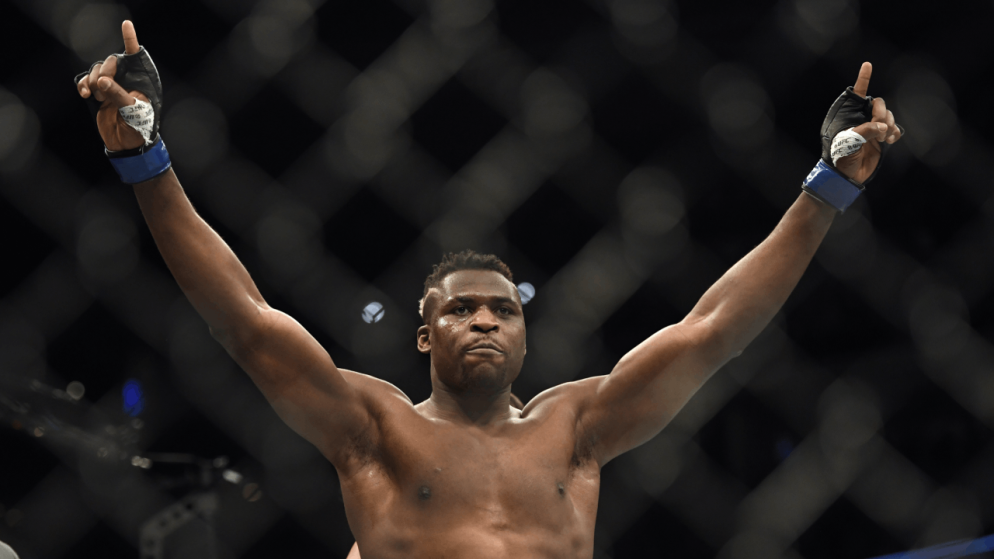
Francis Ngannou: One of Africa’s Biggest MMA Stars
When discussing the growth of MMA in Africa, it is impossible not to mention Francis Ngannou. Born in Cameroon, the fighter became one of the sport’s most recognised figures worldwide and won the UFC heavyweight championship, standing out particularly for the power of his strikes.
His journey helped bring greater visibility to African athletes in mixed martial arts and became a source of inspiration for many young people who dream of pursuing a career in combat sports.
Francis Ngannou is also a Premier Bet brand ambassador across Africa, strengthening the brand’s connection with sport and African talent. His presence represents an opportunity to bring MMA fans even closer to this world.
What Makes MMA So Unpredictable?
Unlike sports with a more limited range of techniques, MMA allows athletes to explore different areas of combat. A fighter can be ahead for several minutes and still end up losing to a single strike or a well-executed submission technique.
Strategy also plays a key role. Some athletes prefer to keep the fight standing, while others try to take their opponents to the ground as quickly as possible. There are also fighters who can switch between these approaches, making them difficult to predict and face.
It is precisely this combination of technique, strength, endurance and adaptability that makes MMA such an exciting sport. Now that you know the main rules, scoring criteria and ways to win, it will be easier to follow upcoming fights and understand the strategies used by the athletes.
Test Your Skills with Francis Ngannou
Take control of legendary MMA fighter Francis Ngannou as he punches a boxing bag! Punchinator Francis Ngannou Edition is an exciting Crash game that you can try right now at Premier Bet.
Follow Us on Social Media
Stay updated on all our promotions, news, and much more:
XXX
Remember: gaming should always be a form of entertainment. Have fun and play responsibly.
Proudly African. Bet with the best. Premier Bet.