

Football is much more than a sport in Africa. It is a passion that brings generations together, unites communities and turns stadiums into places full of excitement. Across different countries on the continent, thousands of fans come together to support their teams, celebrate great achievements and experience moments they will remember forever.
Some of these venues impress with their size, while others have become famous for the historic events they have hosted. From Johannesburg to Kinshasa, and from Cairo to Morocco, Africa is home to stadiums that rank among the biggest and most iconic in the world.
But do you know which are the biggest football stadiums in Africa? Discover some of the continent’s most impressive venues, learn about their capacities and find out more about the stories that make them special.
Misr Stadium – Egypt
Misr Stadium is one of the most impressive sports infrastructure projects on the African continent. Located in Egypt’s New Administrative Capital, it is part of a large sports city built to host national and international competitions.
Construction began in 2019, and the stadium was officially opened in 2024. With a capacity of approximately 94,940 spectators, it became the largest stadium in Egypt and one of the biggest in Africa, surpassing South Africa’s historic FNB Stadium in announced capacity.
The venue was designed to host major sporting events and has become one of the main facilities for the Egyptian national team. Its size and modern facilities reflect the country’s ambition to continue establishing itself as one of the leading forces in African football.
FNB Stadium – South Africa
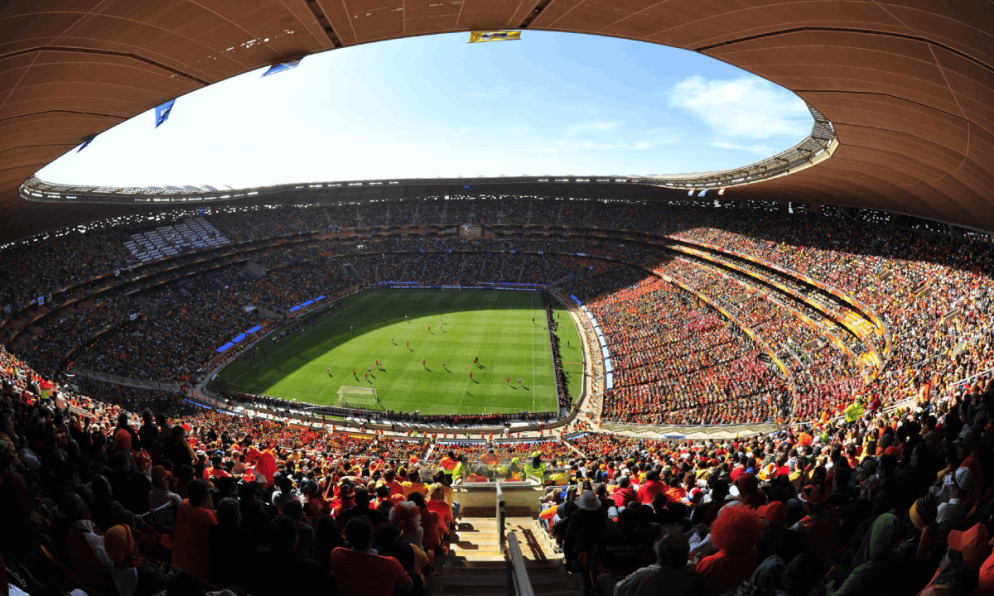
Also known as Soccer City, FNB Stadium is one of the most iconic venues on the entire African continent. Opened in 1989, it took on its current appearance following a major renovation ahead of the 2010 FIFA World Cup.
Its exterior shape is one of the stadium’s most recognisable features. The architecture was inspired by a traditional African pot known as a calabash, which gave it the nickname “The Calabash”.
The stadium holds a special place in South African history. In 1990, Nelson Mandela delivered one of his first major public speeches in Johannesburg after being released from prison, where he had spent 27 years.
However, it was the 2010 World Cup that put FNB Stadium firmly in the international spotlight. The venue hosted the opening ceremony and the final of the competition, played between Spain and the Netherlands, which ended in a 1-0 victory for Spain.
The stadium also hosted the 2013 Africa Cup of Nations final, further confirming its importance to African football.
Borg El Arab Stadium – Egypt
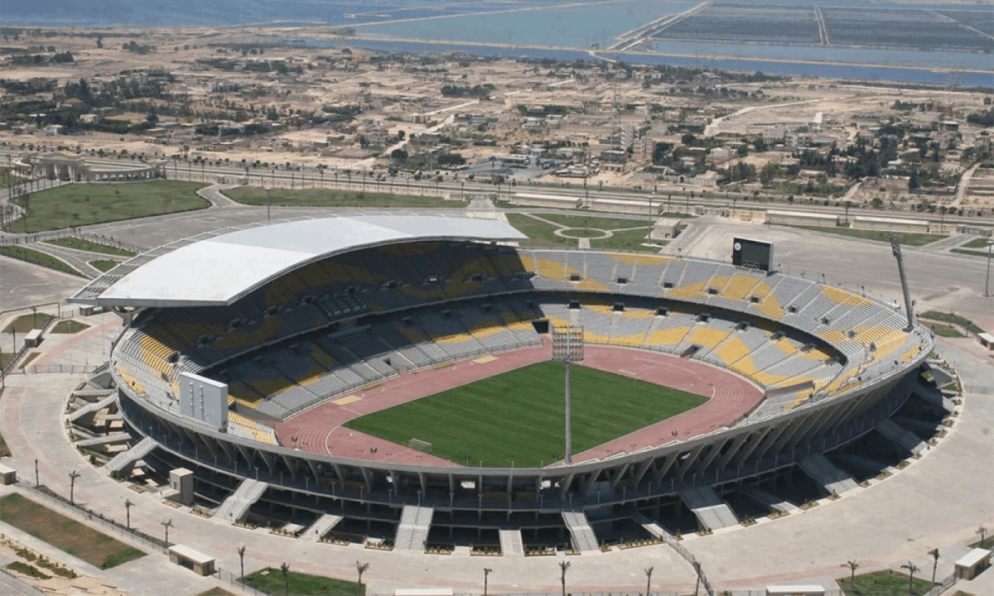
Located near the city of Alexandria, Borg El Arab Stadium is another giant of Egyptian football. With a capacity of approximately 86,000 people, it stands out for its size and the importance it has gained over the years.
Construction began in 2005 as part of Egypt’s bid to host the 2010 FIFA World Cup. Although the country did not win the right to host the competition, the project resulted in one of Africa’s largest sporting venues, which opened in 2007.
Borg El Arab became one of the main venues for Egyptian national team matches, especially the most important fixtures. One of the most memorable moments in its history came in October 2017, when it hosted the match between Egypt and DR Congo, which would decide Egypt’s qualification for the 2018 World Cup.
In front of thousands of fans, Egypt won 2-1, securing their return to the World Cup after a 28-year absence. The result was celebrated as one of the most exciting moments in the recent history of Egyptian football.
Stade des Martyrs – DR Congo
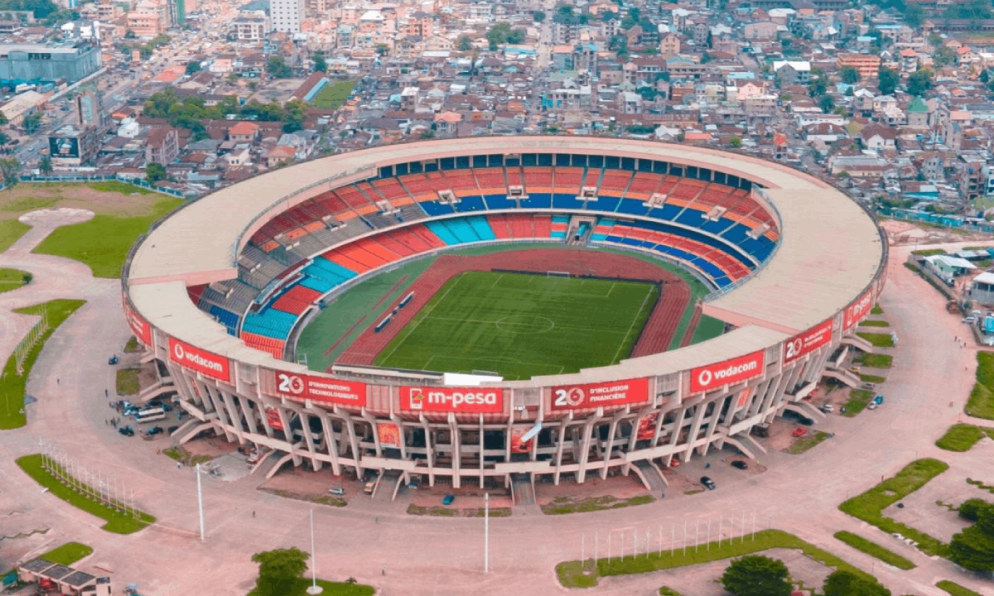
The Democratic Republic of the Congo is also home to one of the largest stadiums on the continent. Located in the capital, Kinshasa, Stade des Martyrs is one of the main symbols of Congolese football.
Opened in 1994, the venue has a capacity of approximately 80,000 spectators. It regularly hosts matches involving the DR Congo national team, as well as fixtures featuring historic clubs such as AS Vita Club and DC Motema Pembe.
Its name has historical significance. The full name, Stade des Martyrs de la Pentecôte, honours Congolese political figures who were executed in 1966 during a particularly turbulent period in the country’s history.
Beyond its size, the stadium is known for the atmosphere created by Congolese fans. During national team matches, the stands become a huge display of support, with songs, flags and celebrations that show the importance of football in the country’s culture.
Over the years, the venue has undergone several renovation works, including improvements to the stands and the installation of seats, in an effort to improve conditions for spectators.
Grand Stade de Tanger – Morocco
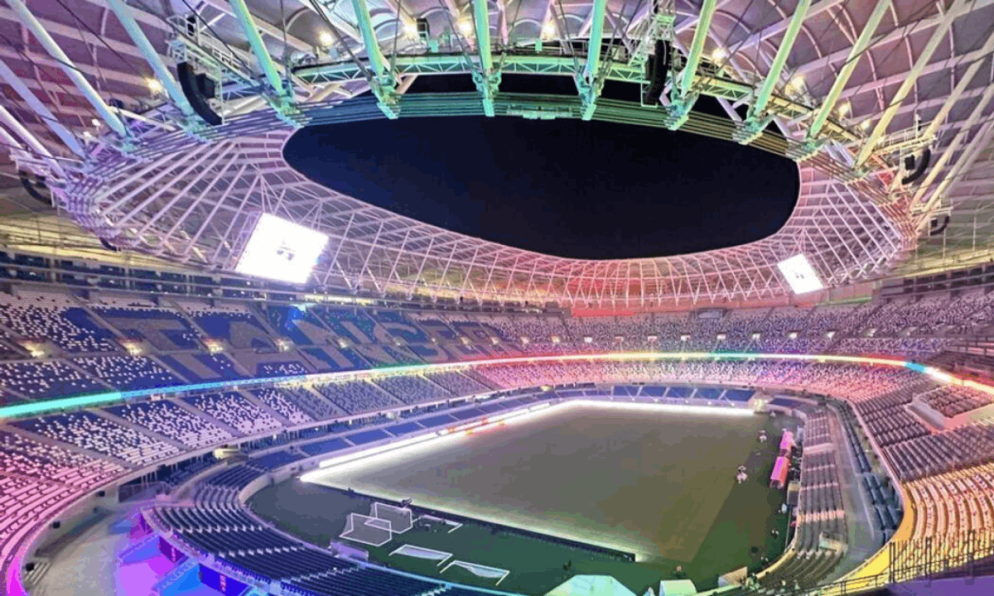
Morocco has invested heavily in modernising its sports infrastructure, and the Grand Stade de Tanger, also known as Ibn Batouta Stadium, is one of the best examples of this investment.
Originally opened in 2011, the stadium underwent a major expansion and modernisation project, increasing its capacity to approximately 75,600 spectators.
The venue has hosted major international events, including matches in the 2022 FIFA Club World Cup, as well as fixtures in Moroccan football competitions.
Its renovation is part of the country’s preparations to host major international competitions, including the 2030 FIFA World Cup, which Morocco will host alongside Portugal and Spain.
With modern facilities, large stands and a renovated roof, the Grand Stade de Tanger reflects Morocco’s growing ambitions in international football.
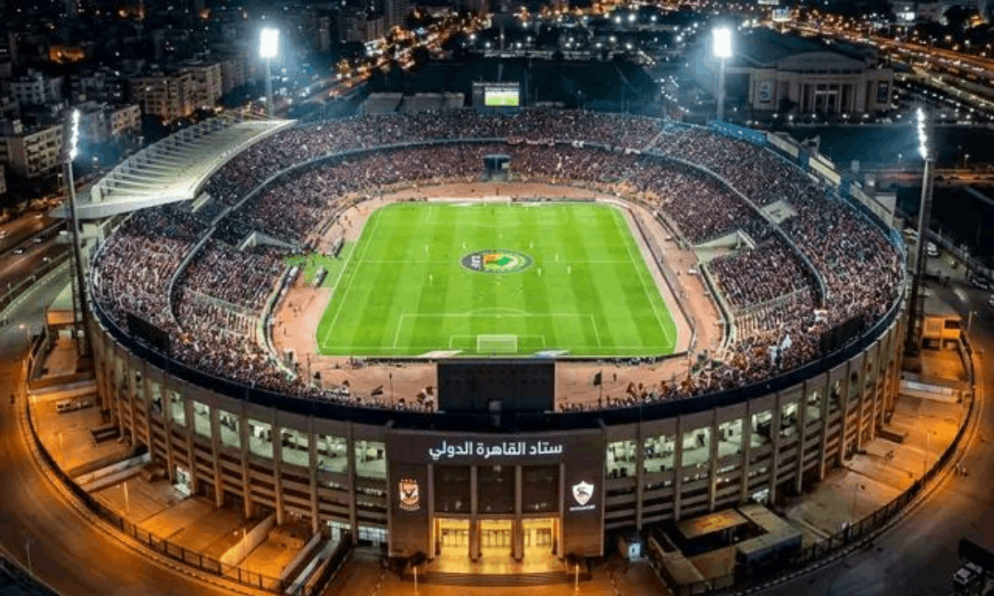
Cairo International Stadium – Egypt
Cairo International Stadium is one of the most historic venues in African football. Opened on 23 July 1960, it was designed by German architect Werner March, who was also known for his work on Berlin’s Olympic Stadium.
With a current capacity of approximately 75,000 spectators, the venue once hosted much larger crowds before renovations introduced all-seater stands.
The stadium is particularly important to Egyptian football. It is used by the national team and hosts major matches involving clubs such as Al Ahly and Zamalek.
Throughout its history, it has hosted several editions of the Africa Cup of Nations. Among its most important moments were the finals in 1986 and 2006, both won by Egypt in front of their home fans.
The atmosphere at Cairo International Stadium is often associated with the huge passion of Egyptian fans, especially during matches between the country’s two biggest clubs.
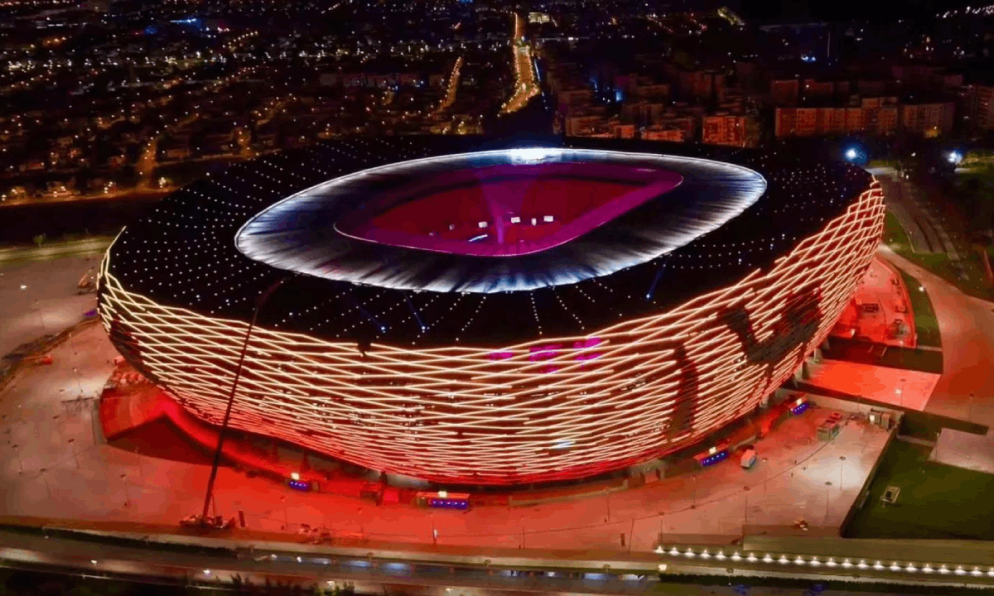
Prince Moulay Abdellah Stadium – Morocco
Another example of the modernisation of Moroccan football is Prince Moulay Abdellah Stadium, located in the capital city of Rabat.
Although the original stadium was built in 1983, the venue was completely rebuilt between 2023 and 2025, resulting in a modern facility with a capacity of approximately 68,095 spectators.
The new stadium was officially opened in September 2025, during a match between Morocco and Niger in the 2026 World Cup qualifiers.
Its name honours Prince Moulay Abdellah, and the venue is part of a sports complex that includes other facilities for different sports.
As well as hosting matches involving the Moroccan national team, the stadium was selected as one of the main venues for the 2025 Africa Cup of Nations and is part of the infrastructure being prepared for the 2030 World Cup.
Its reconstruction shows the importance Morocco places on football development and hosting major international events.
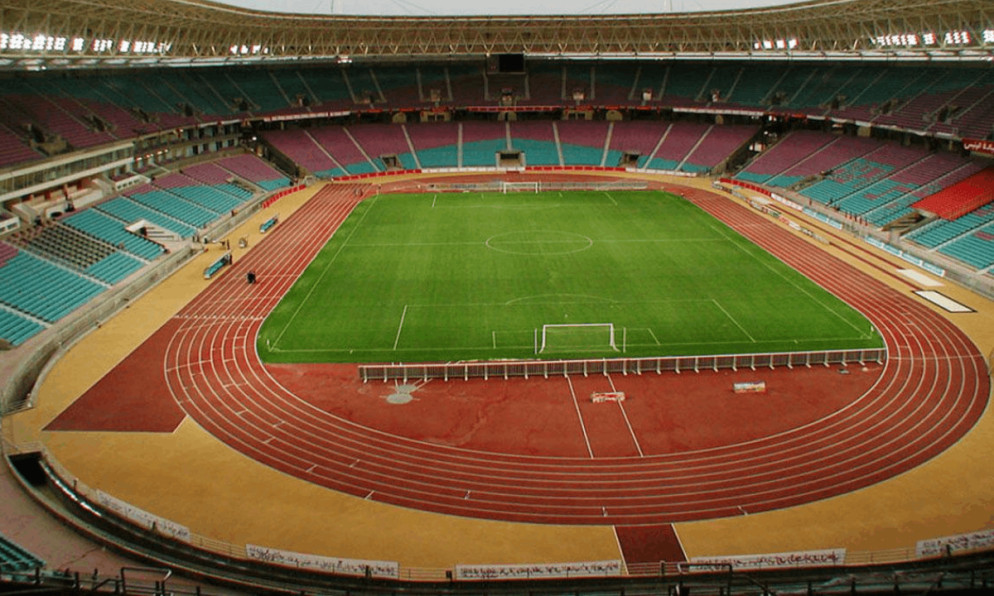
Stade Olympique de Radès – Tunisia
Tunisia also features among the African countries with major football facilities. The Stade Olympique de Radès, currently known as Hammadi Agrebi Stadium, is one of the country’s main sporting venues.
Opened in 2001, it was built to host the Mediterranean Games that same year and quickly became an important venue for Tunisian football.
With a capacity of approximately 65,000 spectators, it is used by the national team and by major clubs in the country, including Espérance de Tunis and Club Africain, for selected matches.
One of the most important moments in its history came in 2004, when it hosted the Africa Cup of Nations final. Tunisia beat Morocco 2-1 to win the first continental title in its history, in front of their home fans.
The stadium has also hosted the CAF Champions League final on several occasions, further strengthening its position as one of the main stages of African football.
The Importance of Africa’s Biggest Stadiums to Football
Africa’s biggest stadiums represent much more than large concrete structures and thousands of seats in the stands. They are places where memories are made, achievements are celebrated and some of the most important moments in African sporting history take place.
From the historic 2010 World Cup final at FNB Stadium to Tunisia’s Africa Cup of Nations triumph in 2004, these venues have hosted events that helped define generations of fans.
Furthermore, the construction and modernisation of these facilities show the growing ambition of African countries to host international competitions and provide better conditions for players and fans.
With new projects and renovation work taking place in different countries, the future promises to bring even more modern stadiums to the continent. Regardless of their size, each of these venues will continue to play an important role in the passion for football shared by millions of Africans.
Now that you know some of Africa’s biggest football stadiums, which one would you like to visit to watch a big match?
Guinée games Wheel: Free Daily Spin
Every day, Guinée Games players have the chance to spin the prize wheel for free and receive rewards, including Free Bets and Free Spins. Visit the free prize wheel to find out how you can win rewards every day.
Follow Us on Social Media
Stay updated on all our promotions, news, and much more:
Facebook: /guineegames
Instagram: @guineegames
Remember: gaming should always be a form of entertainment. Have fun and play responsibly.
Proudly African. Bet with the best. Guinée Games.